Septic and well service for homes outside Charlotte's city water and sewer
Charlotte Septic & Well connects homeowners in the Charlotte area who rely on a septic system or private well with independent local contractors for drain field repair, septic repair, pumping and inspections, and well pump repair and replacement.
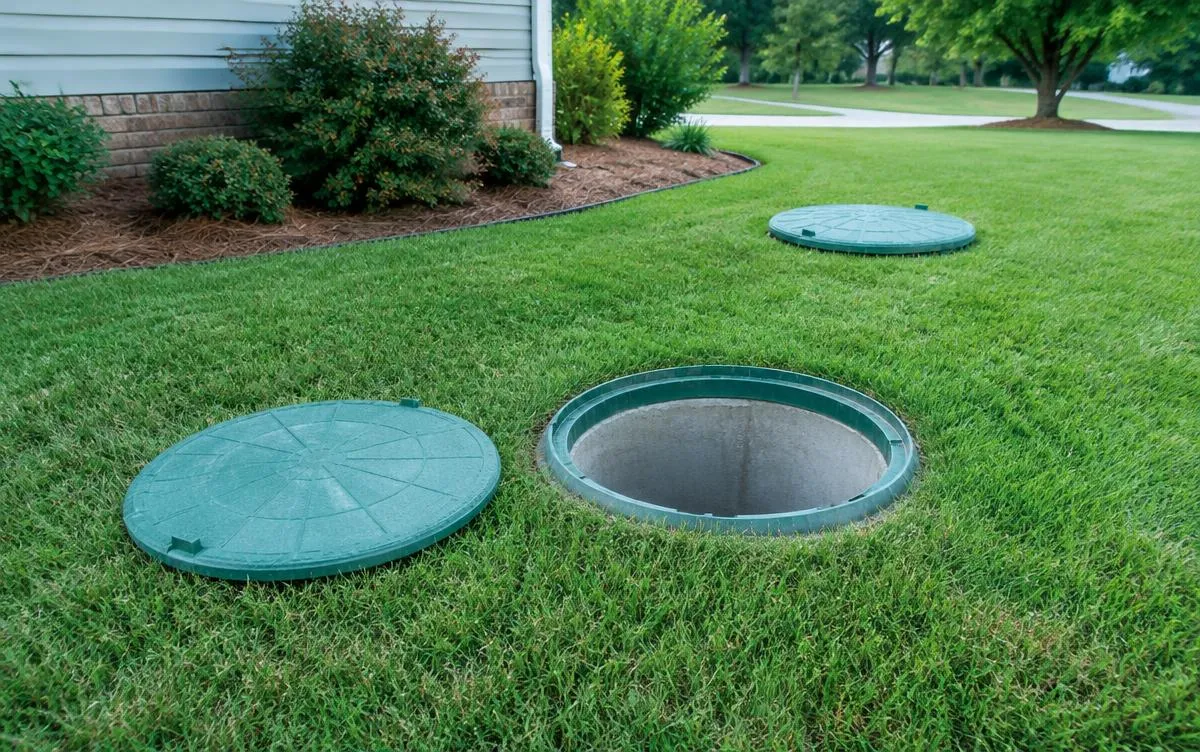
Septic system
Pumping, inspection, septic tank repair and drain field repair or replacement.
Start here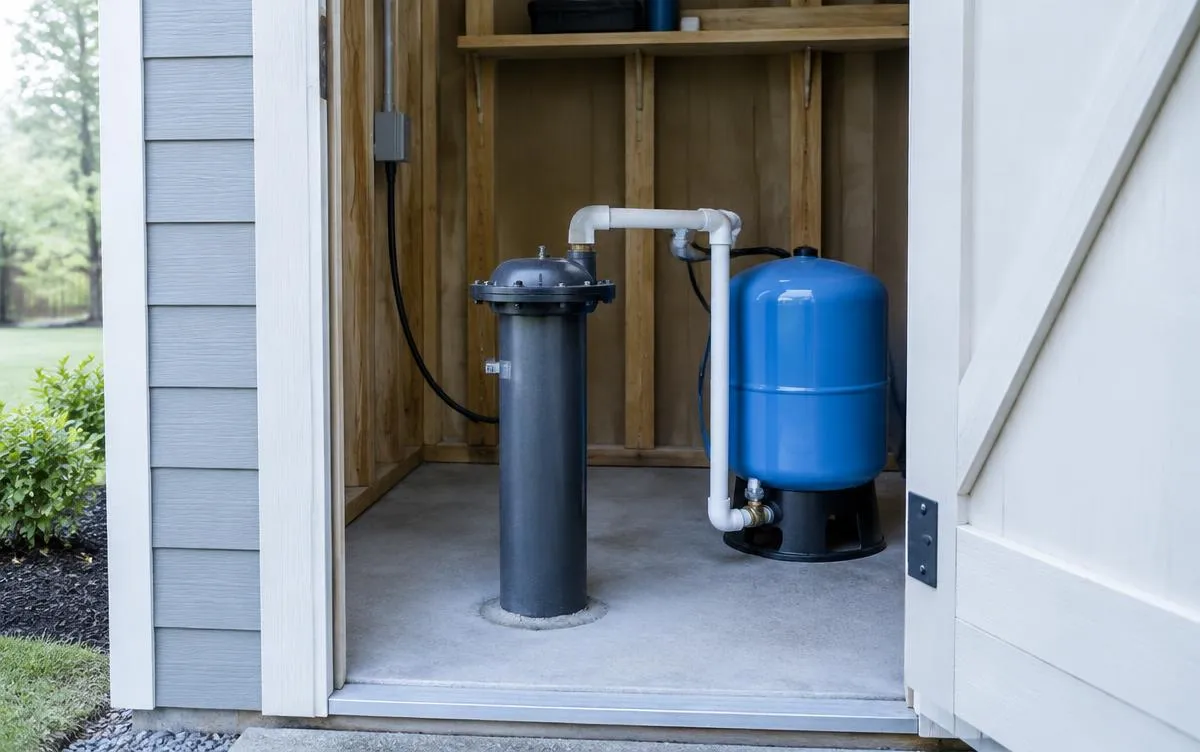
Private well
Well pump repair and replacement, pressure tanks, water testing and treatment.
Start hereSeptic pump repair in Charlotte for effluent pumps and high-water alarms
Start with the symptom
What's it doing?
Septic and well systems telegraph their problems. Pick the symptom that's closest to yours and we'll explain what it often points to — general guidance only; a pro needs to confirm on site.

Pick a symptom above and we'll explain what it often points to and which service to request.
What these jobs usually cost
Published national ranges for the most common septic and well jobs. Use them to sanity-check a quote — your actual price depends on what's underground.
| Job | Typical range |
|---|---|
| Drain field replacement | $3,000–$15,000average about $7,900 |
| Drain field repair / rejuvenation | $1,000–$5,000 |
| Perc test | $600–$2,000 |
| Septic tank repair | $600–$3,000 |
| Septic tank pumping | $300–$700larger tanks $500–$1,000 |
| Job | Typical range |
|---|---|
| Well pump replacement | $400–$2,500deep submersible $1,000–$2,500; average about $1,800 |
| Well pump repair | $300–$600average about $450 |
These are published national ranges, not quotes. Your actual price could be higher or lower. The independent local contractor who inspects your system sets the final price. See all cost figures and sources.
Who issues permits here
In Mecklenburg County, septic systems and private wells are permitted by Mecklenburg County Environmental Health – Groundwater & Wastewater Services. Published fees include $650 for a new residential septic system, a septic repair permit with no fee, and $550 for a new well — see the county's septic system fee schedule and water-supply well fee schedule.
Other North Carolina counties we cover — Union, Cabarrus, Gaston and Iredell — run their own county environmental health offices. On the South Carolina side (Fort Mill, Rock Hill, Indian Land), septic permits come from the SC Department of Environmental Services (SCDES), not the county. Fees can change; check with the office before budgeting. Your contractor normally handles the paperwork either way.
A calm maintenance schedule
Every year — test the well
The EPA recommends testing private wells annually for total coliform bacteria, nitrates, total dissolved solids and pH. EPA private well guidance.
Commonly every 3–5 years — pump the tank
The right interval depends on tank size and household, but EPA guidance puts a typical range at three to five years. EPA septic care guidance.
Always — protect the drain field
Keep cars and heavy equipment off it, plant trees well away from it, and route gutters and sump pumps so extra water never reaches it.
Questions homeowners actually ask
How do I find my septic tank?
Start with the county environmental health office — many have the original permit sketch on file. Otherwise, a contractor traces the sewer line from where it leaves the house with a probe or electronic locator. Once it's found, adding risers brings the lids to grade so nobody digs for it again.
Should I pump or inspect before a home sale?
Ideally both. Pumping empties the tank; an inspection evaluates the tank's condition and whether the drain field accepts water. Inspectors prefer to see an empty tank, so the two are often done together — and the written report is what buyers and lenders actually want.
Can a drain field be repaired, or does it have to be replaced?
It depends on the cause. A crushed pipe or clogged distribution box is usually repairable. Soil that has sealed over after years of receiving solids generally can't be restored, and the field is replaced on fresh ground under a county permit. A camera and probe work tells you which situation you have.
Why is my well pump short-cycling?
Rapid on-off cycling usually points to a waterlogged pressure tank or a failing pressure switch — not the pump itself. It's worth fixing promptly: frequent starts are what wear pumps out early.
Do I need a permit to repair a septic system?
Generally yes for anything beyond a simple like-for-like lid swap. In Mecklenburg County, Environmental Health issues a septic repair permit and currently publishes no fee for it. Other NC counties permit through their own environmental health offices; in South Carolina, septic permits come from the SC Department of Environmental Services.
What shouldn't go down the drain on a septic system?
Grease, coffee grounds, wipes of any kind (including ones labeled flushable), feminine products, cat litter, paint, solvents and large amounts of bleach. None of these break down in the tank; they either fill it faster or kill the bacteria that make it work.
What's going on with your system?
Tell us whether it's the septic system or the well, what symptoms you're seeing, and the age of the system if you know it — a local pro will reach out. Prefer to talk? Call (980) 540-1123